
Fashion Photography AI: 8 Ways to Cut Costs 90% & Scale Production 10x in 2026
Discover how AI-powered fashion photography cuts costs by 90% while scaling production 10x. Learn 8 practical strategies to transform your e-commerce visuals, eliminate expensive photoshoots, and create unlimited professional product imagery in minutes instead of weeks.
Traditional fashion photography is expensive, slow, and logistically exhausting. You need models, studios, crews, lighting equipment, and months of planning just to get a handful of product shots. What if there's a better way? AI-powered fashion photography is completely reshaping how e-commerce brands create product visuals—cutting costs by 90% while scaling production 10x faster.
Why Fashion Photography AI is a Game-Changer for Your Business
Fashion photography has always been one of the biggest operational costs for e-commerce businesses. The traditional model breaks down quickly: single photoshoots cost thousands of dollars, model availability limits creative options, seasonal updates require completely new shoots, and time-to-market stretches from weeks to months.
AI-powered fashion photography eliminates these constraints entirely. You get professional-grade visuals instantly, with complete flexibility to test different models, backgrounds, poses, and styling—all without stepping foot in a studio.
1. Understanding the Core Technology: How AI Fashion Photography Actually Works
Not all AI image tools are built the same. Purpose-built fashion AI is trained specifically on fashion photography data using proprietary computer vision models that understand fabric behavior, body diversity, lighting for apparel, and pose dynamics.
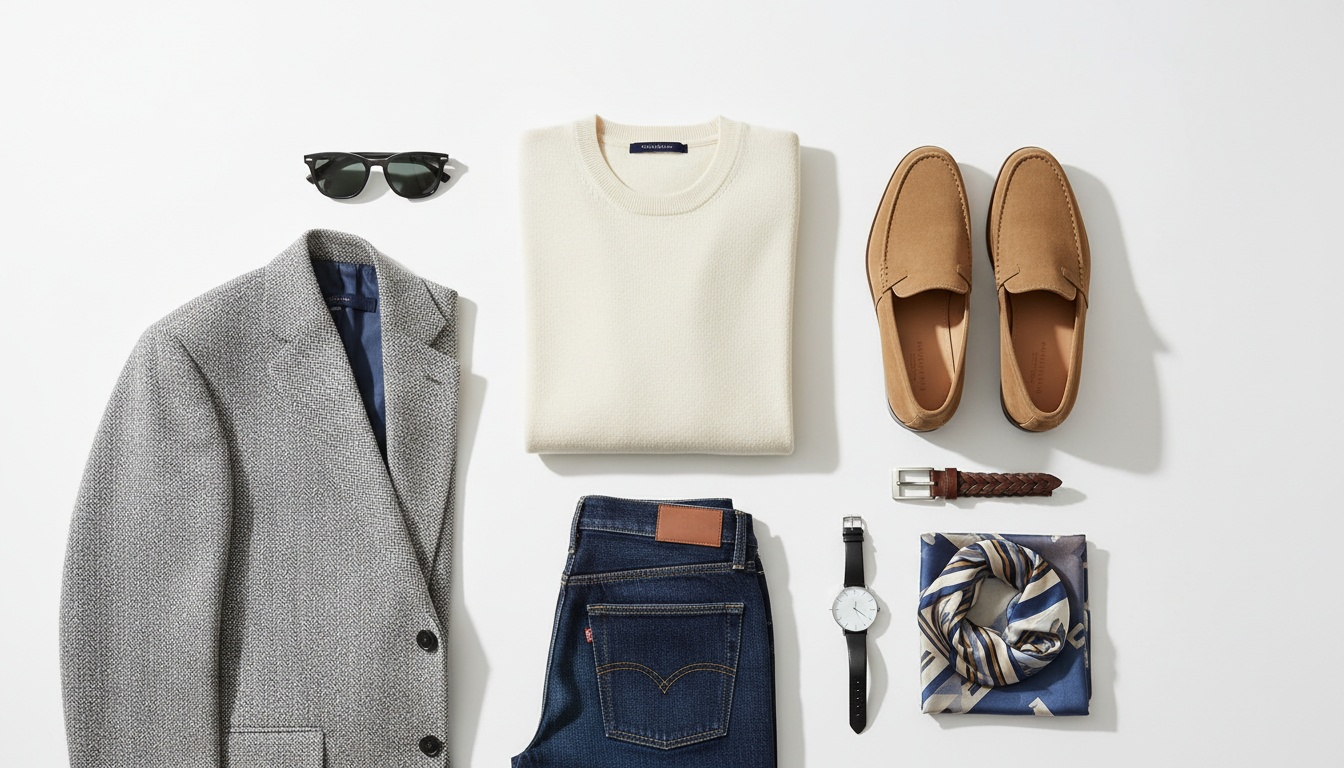
When you upload a flat-lay product photo or basic packshot, the AI analyzes the garment, understands its structure, and places it realistically on diverse AI-generated models with different body types, ethnicities, ages, and sizes. The result? Photos that look like they were shot in a professional studio.
2. The Three Workflows That Actually Matter for Your Store
On-Model Photography Workflow
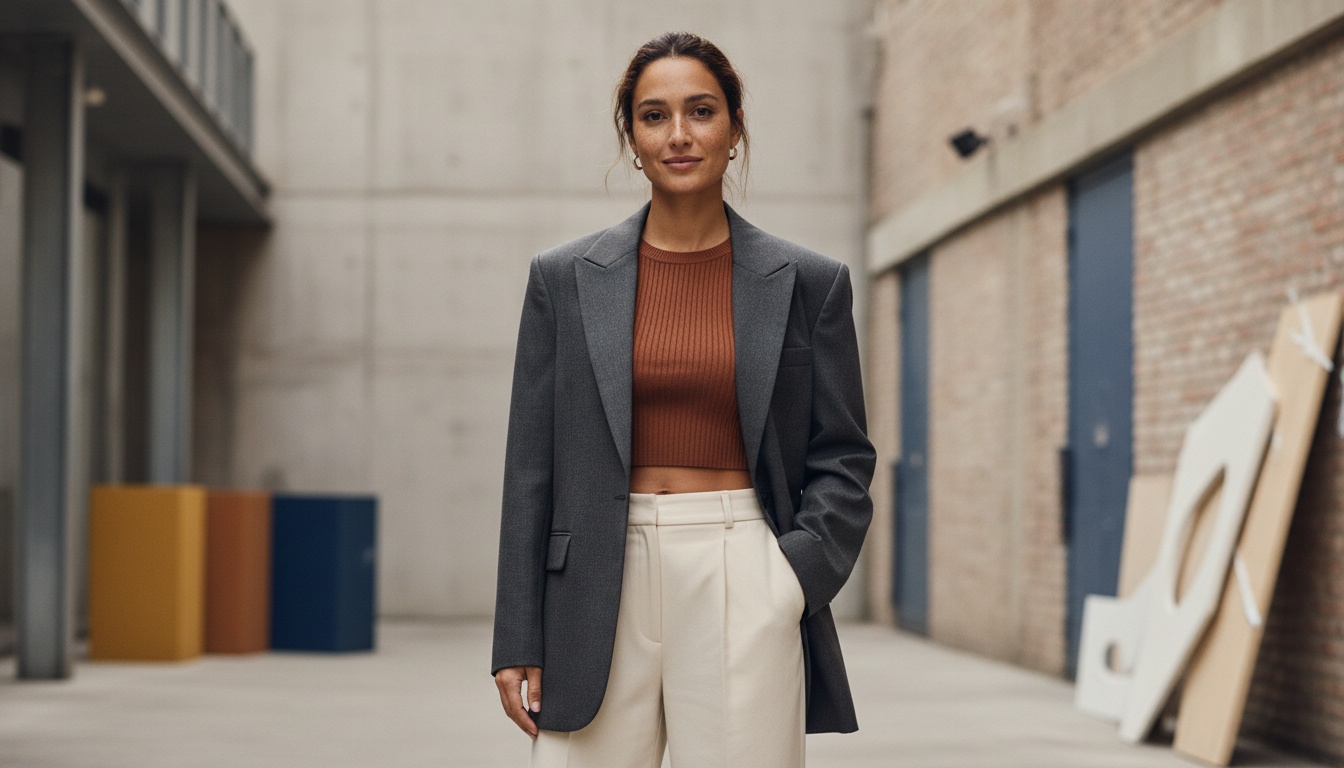
Upload a photo of your product, select your preferred AI model, choose a pose, pick a background, and generate a complete professional photo. Instead of booking a model for a shoot, you get unlimited variations instantly—different ethnicities, body types, ages, poses—all from the same source image.
Flat-Lay to On-Model Transformation
Transform 2D packshots into realistic on-model shots that show customers how the product actually looks when worn. This single workflow gives you the highest ROI because packshots are easy to produce at scale, and converting them to lifestyle imagery is expensive traditionally.
Background and Styling Customization
Keep the same model, same pose, same product, but change backgrounds, lighting mood, and overall vibe with a few clicks. This is invaluable for campaigns that need visual coherence across different channels.
3. Building Visual Diversity Without Hiring Dozens of Models
Traditional photoshoots lock you into whatever models you can afford and schedule. With AI, you get access to diverse model portfolios that include different skin tones, body types, ages, and ethnicities. You're not limited by model availability or budget.
Customers are more likely to convert when they see themselves represented in your imagery. These aren't stock images—they're 100% AI-generated models unique to your brand, with no licensing complexities, no concerns about model exclusivity, and no per-use fees.
4. The Economics: Actually Cutting Costs Without Sacrificing Quality
Let's talk numbers:
- Traditional photoshoot: $5,000–$50,000+ per session (models, studio, crew, props, post-production)
- AI fashion photography: $20–$100 per month for unlimited variations
- Time investment: Traditional shoots take weeks of planning; AI generates images in 15 minutes
- SKU expansion: Each new product variation traditionally means additional shoots; with AI, it's one upload
Most brands report cutting photography costs by 90% while actually increasing the volume and diversity of content they produce. The credit-based pricing model means you only pay for what you produce.
5. Workflow Integration: Making This Actually Part of Your Business
Most successful implementations follow this pattern:
Step 1: Shoot or Source Base Images — Smartphone photos work. Flat-lays work. Basic packshots work. You can even use supplier images if needed.
Step 2: Upload and Configure — Batch uploads save time. Select your preferred models, poses, and backgrounds upfront.
Step 3: Generate and Quality Check — The system processes your images (typically 15 minutes for studio-quality results).
Step 4: Export and Distribute — Download in multiple formats optimized for your channels. Direct integration with Shopify and other e-commerce platforms means you can push images directly to your store, social media, and ad platforms.
The entire process from source image to marketplace-ready photo typically takes hours instead of weeks.
6. Handling Video Content: The Next Dimension of Conversion
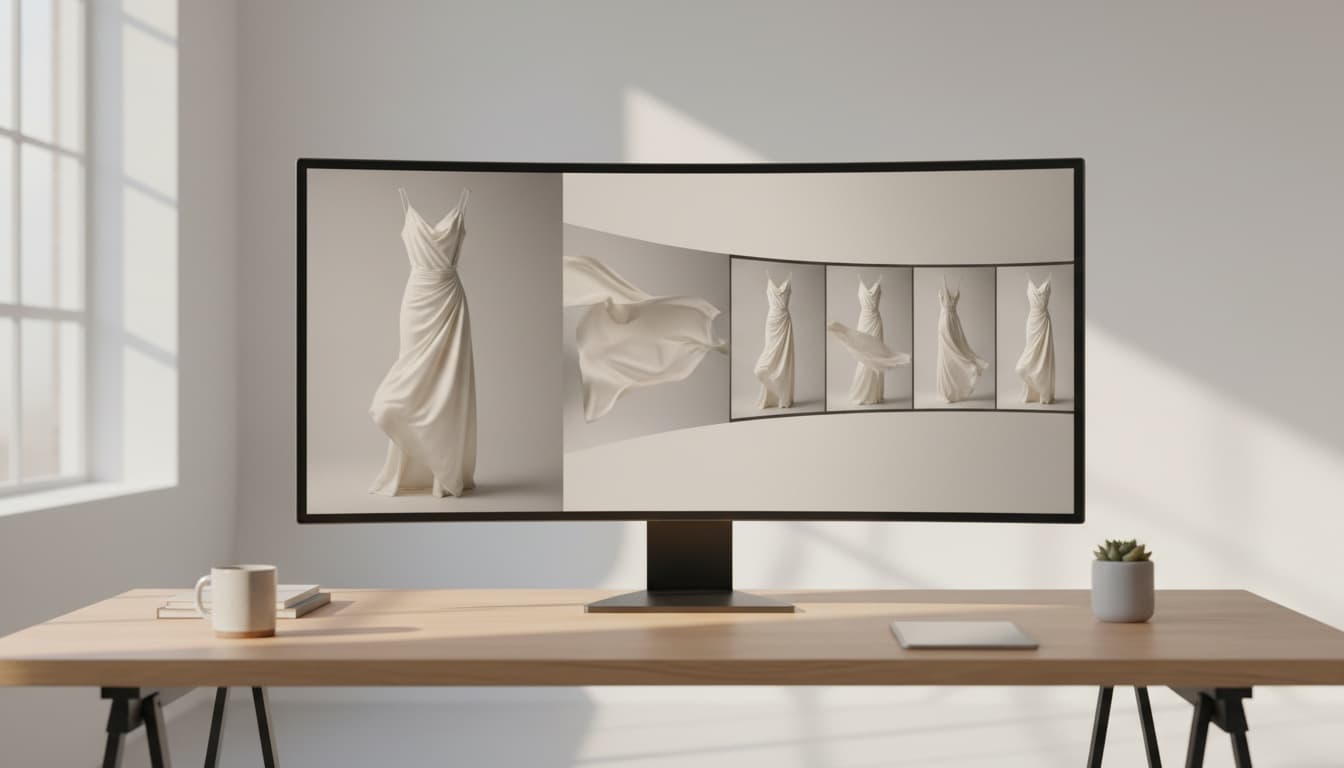
AI fashion photography platforms have evolved to include video generation capabilities. Transform your clothing photos into short, dynamic clips that show product movement, fit, and feel. Instead of hiring a videographer for product demos, you generate videos from the same source images you're already creating.
7. Quality Expectations: What You're Actually Getting
Modern fashion-specific AI produces results that are visually indistinguishable from traditional photography. The AI understands fabric drape, lighting dynamics, and how garments interact with different body types. You're getting studio-quality results.
The only caveat: focus matters. The better your source image and the clearer your product is, the better your output. Processing time reflects quality investment—typically around 15 minutes per batch because the system prioritizes getting lighting, fit, and fabric texture right.
8. Scaling Your Content Strategy Across All Channels
Once you have high-quality product imagery, you can use it everywhere: social media, email campaigns, ads, lookbooks, catalogs, marketplace listings. The same base images generate variations for different purposes.
You need a lifestyle-focused version for Instagram? New background, new model, same product. You need a clean white-background version for marketplace listings? Change the background. You need seasonal variations? Swap the styling and generate instantly.
How Milano AI Transforms Fashion Photography at Scale
If you're operating a DTC fashion brand, managing an indie label, or scaling e-commerce operations, you need professional-grade product imagery at volumes traditional photography simply can't support. That's exactly where Milano AI comes in.
Milano AI is built exclusively for fashion and e-commerce brands. It's not a generic AI tool—it's a complete platform designed specifically for how fashion businesses operate:
- Complete Visual Content Creation: AI-powered product photography generation, video creation, background customization, and image editing all in one platform
- Integrated Marketing Automation: Generate SEO-optimized blog content, create AI avatar videos, automate social media posts, design interactive catalogs
- Built for Fashion Economics: Cut content production costs by 95% while scaling output 10x
- Platform Integration: Seamless integration with Shopify, WooCommerce, and other platforms
- Fashion-Specific Aesthetics: Understands how different fabrics should photograph and maintains visual consistency across your entire catalog
A brand with 500 SKUs normally needs weeks of shoots and constant refreshes for seasonal campaigns. With Milano AI, you process your entire catalog in hours, generate unlimited variations, test different visual strategies instantly, and respond to trends in real-time.
That's not just a cost saving. That's competitive advantage.
Getting Started: Your Next Move
Fashion photography AI isn't a future state anymore—it's how competitive brands operate right now. The question isn't whether to adopt this technology. It's whether you adopt it before your competitors do.
Start with your biggest pain point: catalog refresh, seasonal campaigns, or scaling product launches. Take a batch of your existing product photos and see what AI-powered photography can actually produce. The ROI typically becomes obvious within the first few batches.
The brands that embrace this now will own market share by dominating visual presence. The ones that wait will be playing catch-up with budgets they can't afford. Your photography shouldn't be the bottleneck slowing down your growth.
Frequently Asked Questions
Traditional fashion photoshoots cost $5,000-$50,000+ per session including models, studio, crew, props, and post-production. AI fashion photography platforms like Milano AI cost $20-$100 per month for unlimited variations. Most brands report cutting photography costs by 90% while actually increasing content volume and diversity. The credit-based pricing model means you only pay for what you produce, with no per-model fees or licensing complexities.
Scale Your Fashion E-Commerce with AI
Create professional campaigns and product photography in minutes. Start with 10 free credits—no credit card required.
Related Articles
Professional Product Videos with AI: The Ultimate Q&A Guide for Fashion Brands
Learn how fashion e-commerce brands can create professional product videos with AI, replacing expensive photoshoots with automated video generation. This Q&A guide covers AI avatars, conversion optimization, and scaling video content across your entire catalog—cutting costs by 95% while accelerating production from weeks to minutes.

AI Lifestyle Videos: Compare Top Tools for Fashion Brands in 2026 | Milano AI Guide
Compare top AI lifestyle video tools for fashion e-commerce in 2026. Detailed analysis of Synthesia vs HeyGen vs Runway ML vs Pika Labs vs Milano AI. Learn which platforms deliver ROI for DTC brands, with actionable implementation strategies and cost comparisons. Cut video production costs by 95% while scaling output 10x.

Marketplace Video Optimization: How Fashion Brands Scale Conversions 30%+ in 2026
Fashion brands see 30%+ conversion lifts with optimized marketplace videos, but manual production fails at scale. Learn the cause-and-effect strategies driving success on Amazon, Etsy, and Shopify in 2026—from AI compression eliminating load penalties to shoppable overlays converting views into sales. Complete guide with actionable tactics for DTC brands and retailers.