
Digital Fashion Marketing: 7 Strategies to Scale Your Brand Online in 2026
Digital fashion marketing requires fresh content daily across Instagram, TikTok, email, and e-commerce—but traditional photoshoots cost $5,000-25,000 and take weeks. Learn 7 core strategies to scale your fashion brand online, plus how Milano AI cuts content costs by 95% while producing unlimited professional imagery in minutes.
Fashion brands face an impossible challenge: customers demand fresh content daily across Instagram, TikTok, email, and e-commerce platforms—but traditional photoshoots cost $5,000-25,000 and take weeks. Digital fashion marketing isn't optional anymore. It's the operating system determining which brands scale and which plateau.
Why Digital Fashion Marketing Became Non-Negotiable
Your customers aren't reading magazines. They're scrolling Instagram at 11 PM, discovering brands on TikTok, and making purchase decisions based on influencer recommendations. The fashion industry moves fast, but where customers spend their time moved faster. Digital fashion marketing evolved from nice-to-have into the core operating system of modern fashion retail.
Brands winning right now aren't just creating beautiful products—they're crafting compelling digital narratives across multiple channels simultaneously. They understand that brand experience differentiates them in crowded markets, and they use digital platforms to deliver that experience at every touchpoint. The game changed because fashion marketing now requires blending creativity with hard data analysis.
7 Core Strategies for Digital Fashion Marketing Success
1. Build Unmistakable Brand Identity Across All Digital Channels
Your brand identity isn't your logo—it's the emotional connection customers feel when they interact with your brand online. Luxury labels scream exclusivity and craftsmanship. Trendy brands emphasize rapid trend-awareness. These require completely different digital strategies.
Successful digital fashion brands maintain consistent visual elements, messaging, and values across every platform. Your Instagram feed, email campaigns, website design, and TikTok videos must tell the same story. This consistency builds trust and makes your brand instantly recognizable. Create a comprehensive brand guide outlining visual aesthetics, tone of voice, and core messaging pillars. Then audit every digital touchpoint to ensure alignment.
2. Master Social Media as Your Digital Storefront
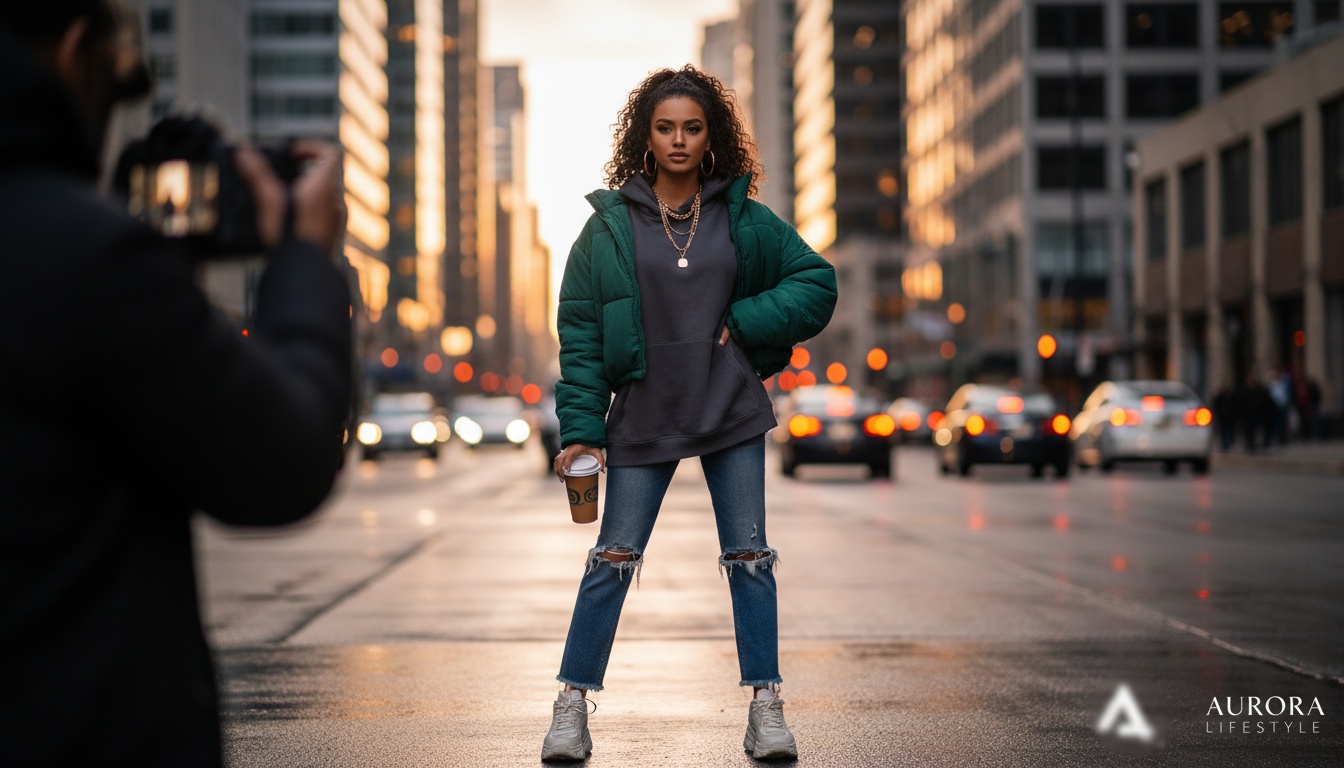
Social media isn't optional—it's where customer conversations happen. Each platform serves distinct purposes: Instagram for aspirational lifestyle content and community building, TikTok for trend-forward authentic storytelling, Pinterest for discovery and long-tail traffic, YouTube for educational content and product demonstrations.
Behind-the-scenes content humanizes your brand. Show your studio process, your team at work, the inspiration behind collections. This transparency builds connection. Leverage user-generated content by encouraging customers to share photos wearing your products. This creates community and provides authentic social proof that converts better than polished branded content.
3. Deploy Influencer Partnerships That Feel Authentic
The fashion industry is heavily influenced by celebrities and trendsetters. Smart digital marketing strategies prioritize collaborations with public figures to drive brand awareness and credibility. But authenticity separates successful influencer marketing from wasteful spending.
Partner with influencers whose aesthetic and values genuinely match your brand. A micro-influencer with 50,000 highly engaged followers interested in sustainable fashion drives better results than a mega-influencer with 5 million followers who barely knows your brand. Micro-influencers often have better engagement rates and more trusted relationships with their audiences. Give influencers creative freedom while sharing key brand messages. The best influencer content feels like a recommendation from a friend.
4. Leverage Data and Customer Insights to Drive Every Decision
Many fashion marketers focus on creative aesthetics but ignore data showing what actually works. Digital fashion marketing requires analyzing purchasing patterns, tracking engagement metrics, and using market research to inform strategy.
Set up proper analytics tracking from day one. Use Google Analytics to understand how customers navigate your site and which content drives conversions. Track social media engagement rates by content type. Monitor email marketing performance. Analyze which products get most views but lowest conversions—that's often a content problem, not a product problem. Create detailed buyer personas based on real data: demographics, income levels, lifestyle choices, fashion preferences, shopping behaviors.
5. Create Compelling Visual Content That Stops the Scroll
Fashion is deeply tied to visual storytelling. Unlike functional product marketing, fashion marketing relies on high-quality imagery, stylized campaigns, and aspirational branding to create allure and evoke desirability. In crowded social feeds, your content has two seconds to capture attention.
This means investing in professional product photography, lifestyle imagery showing how products fit into customers' lives, and video content that moves people emotionally. High-quality visuals aren't a luxury—they're prerequisites for competing in digital fashion marketing.
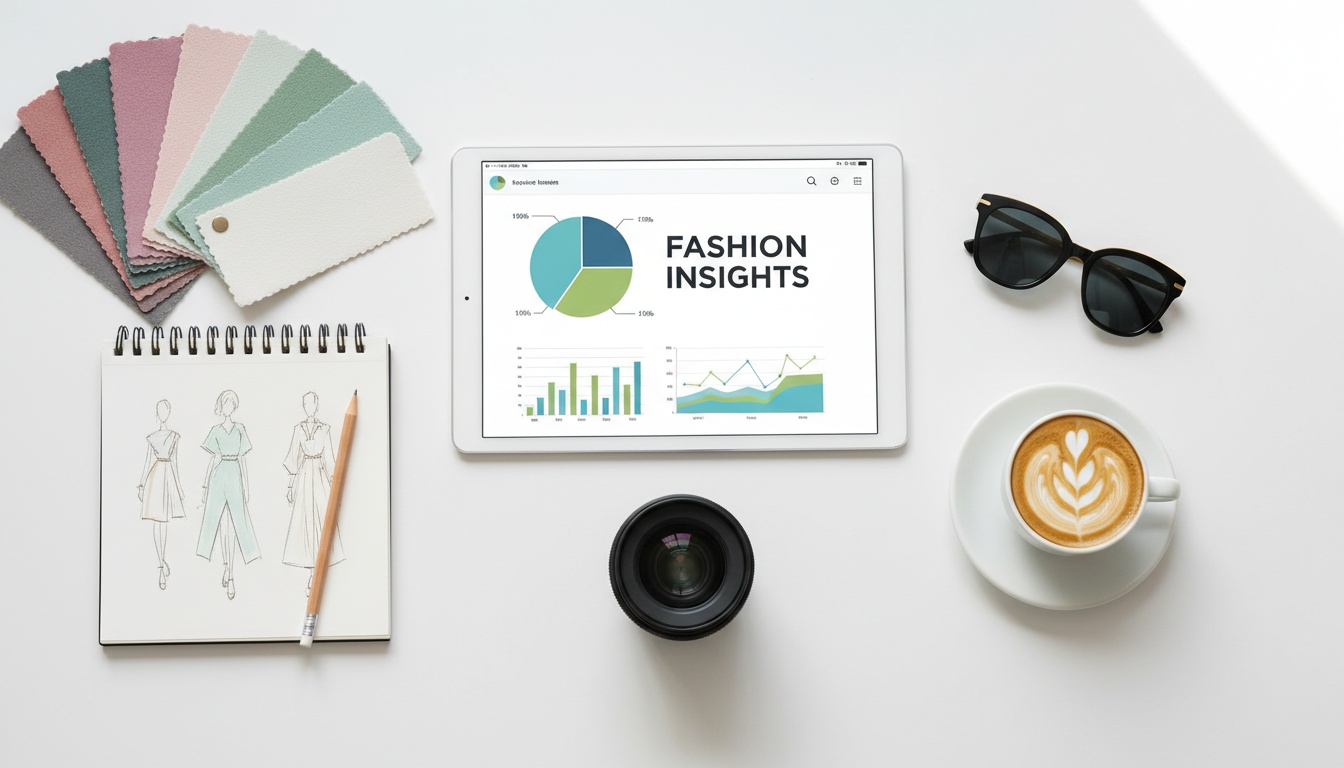
But here's the challenge: creating fresh, high-quality visual content constantly is expensive and time-consuming. You need product shots for your website, lifestyle variations for social media, campaign imagery for email marketing, and seasonal collections multiplied across multiple SKUs. Traditional photography shoots, models, and studio rentals add up quickly—before you factor in weeks of planning and execution.
6. Embrace Experiential Marketing in Digital Spaces
Fashion brands traditionally leveraged experiential marketing through runway shows, pop-up shops, and exclusive events. Digital platforms are expanding what's possible. Virtual fashion shows, livestream shopping events, AR try-on technology, and interactive digital lookbooks create engagement beyond traditional advertising.
These experiences don't require massive budgets. A well-executed Instagram Live shopping session with your founder discussing new collections drives sales and builds community. Interactive product quizzes help customers discover products they actually want. User polls and votes make followers feel invested in your brand decisions.
7. Optimize for Search and Emerging AI-Driven Discovery
Digital platforms are rapidly evolving. Traditional search engine optimization still matters—people search Google for fashion advice and product recommendations. But increasingly, customers search within AI systems, asking ChatGPT for product recommendations, and relying on AI-driven personalization on e-commerce platforms to discover what to buy.
Create SEO-optimized blog content answering questions your audience actually asks. Optimize product descriptions for both search engines and customer clarity. Consider how your products might be discovered through AI recommendation systems and optimize accordingly.
The Content Creation Bottleneck Killing Your Growth
Here's the uncomfortable truth: creating the volume of high-quality digital content required to compete in fashion marketing is brutally resource-intensive. Most fashion e-commerce brands are stuck in a vicious cycle.
You need beautiful product photos for your website, but professional photography requires booking studios, coordinating models, and spending thousands per shoot. You need lifestyle variations for social media and email campaigns, requiring different shoots, styling, and contexts. You need video content for TikTok and Instagram Reels, but video production is even more expensive and time-consuming than photography.
Meanwhile, competitors post daily. The algorithm rewards consistency. You need fresh content flowing constantly across multiple platforms, but your team is either non-existent or stretched impossibly thin. You're trying to scale your business, but you're limited by the speed and cost of content creation.
Every SKU in your catalog should exist in multiple visual contexts—white background for marketplace listings, lifestyle versions showing products in use, styling variations for different customer segments. That's potentially dozens of images per product, multiplied across your entire inventory. The math doesn't work. Traditional content creation at scale is economically unfeasible for most fashion brands.
How Milano AI Transforms Your Digital Fashion Marketing Strategy
This is where the game actually changes. Milano AI isn't another photo editing tool—it's the complete operating system built exclusively for fashion e-commerce, specifically designed to solve the content creation bottleneck limiting your digital marketing potential.
Unlimited High-Quality Visual Content in Minutes
Transform product photos into professional campaign imagery, lifestyle scenes, and marketing variations at unprecedented speed and cost efficiency. Upload your product image once and generate visual variations you need across all digital channels. White background versions for your e-commerce site. Lifestyle contexts showing products in real-world scenarios. Ghost mannequin effects. Styled looks for social media. All without expensive photoshoots, models, or studio rentals.
This means you can finally populate your digital marketing strategy with the volume and variety of content that actually wins. Every product in your catalog exists in multiple visual contexts optimized for different platforms and customer touchpoints.
Complete Marketing Automation Built for Fashion Brands
Content creation is just the beginning. Milano AI is your complete marketing automation suite: launch video campaigns using pre-built templates, create AI avatar videos for product demonstrations and tutorials, generate daily SEO-optimized blog content that actually ranks on Google and ChatGPT, automate social media posts across all platforms, design interactive catalogs and lookbooks, and deploy live shopping experiences—all from a single dashboard.
This solves the execution problem most fashion marketers face. You can strategize the perfect digital marketing approach, but then you're blocked by the operational complexity of actually implementing it across multiple channels simultaneously. Milano AI automates the heavy lifting.
The Real Economics: Cut Costs by 95%, Scale Production 10x
Let's talk about what this actually means for your business. Traditional fashion e-commerce content creation costs add up quickly: professional product photography ($500-$5,000 per shoot), lifestyle photography ($1,500-$10,000+ per shoot), video production ($2,000-$25,000+ per video), models and styling ($500-$5,000+ per shoot), studio rental and equipment ($500-$2,000+ per day), and photo retouching ($20-$100+ per image).
A single product line photoshoot can cost $5,000-$15,000 and take weeks to execute. Scale that across multiple collections, seasonal updates, and constant need for fresh social content, and you're looking at $100,000+ annual content budgets for mid-size fashion brands.
Milano AI replaces this entire structure with a fraction of the cost. You're paying for one platform, not multiple vendor relationships, shoot days, and contractor fees. The time-to-value is immediate—not weeks of scheduling and shooting, but minutes from strategy to deployed content.
Your Competitive Advantage: Speed to Market
In fast-moving fashion, the brand that gets from concept to market fastest often wins. New collection launches, trend responses, seasonal pivots—traditional content creation timelines put you behind. With Milano AI, you're launching new visual content in minutes, not weeks. That speed compounds into genuine competitive advantage, especially for smaller brands competing against larger retailers with bigger budgets.
The Future of Digital Fashion Marketing Is Operational Efficiency
Digital fashion marketing evolved from a nice creative practice into a critical operational system. Brands winning right now aren't just the ones with the best designers—they're the ones who can execute sophisticated marketing strategies at scale efficiently.
The theoretical frameworks are straightforward: build brand identity, master social platforms, leverage influencers, use data to optimize, create compelling visuals, embrace experiential moments, and stay ahead of trends. But execution is where most brands struggle.
The future belongs to fashion e-commerce brands that figure out how to do all of this sustainably—creating professional, consistent digital content without unsustainable costs or team burnout. That's not a nice-to-have advantage. It's the difference between brands that thrive and brands that plateau.
Ready to transform your digital fashion marketing? Milano AI provides the complete operating system for fashion e-commerce—manage content creation, competitor intelligence, SEO, AI search ranking, social media, analytics, and strategy from one platform built exclusively for fashion.
Frequently Asked Questions
Digital fashion marketing is the strategic use of online channels—social media, e-commerce platforms, email, influencers, and AI-driven discovery—to build brand awareness, engage customers, and drive sales. It's essential because customers now discover and purchase fashion primarily through digital channels. Traditional marketing methods can't match the speed, targeting precision, and cost efficiency of digital strategies. Brands that master digital fashion marketing scale faster while spending less on customer acquisition.
Scale Your Fashion E-Commerce with AI
Create professional campaigns and product photography in minutes. Start with 10 free credits—no credit card required.
Related Articles

Creating Campaign Imagery Without Photoshoots: The AI Solution for Fashion Brands
Fashion brands waste $5,000-25,000 per photoshoot while competitors launch campaigns in hours using AI. Learn how marketing directors and DTC founders eliminate photoshoots forever, creating professional campaign imagery in minutes at 95% lower costs. Strategic implementation guide with ROI metrics.

Fashion Social Media Content Automation: Cut Posting Time by 90% in 2026
Fashion brands waste 10-15 hours weekly on social media content creation. Discover how AI automation cuts posting time by 90%, generates unlimited professional visuals without photoshoots, and scales your social presence across Instagram, TikTok, and Pinterest—all while reducing costs by 95%.

AI Campaign Images: How Fashion Brands Are Transforming Marketing in 2026
Discover how AI campaign images are revolutionizing fashion marketing in 2026. Learn from real brand examples like Heinz, H&M, and Nike, and see how fashion e-commerce brands are cutting costs by 95% while scaling production 10x with AI-generated campaign imagery.