
Amazon vs Etsy for Fashion Brands: Complete 2026 Marketplace Optimization Guide
Amazon or Etsy for fashion brands? This complete 2026 comparison reveals platform-specific optimization strategies for product photography, SEO, pricing, and scaling. Learn which marketplace fits your brand, how to dominate both, and why Milano AI cuts visual content costs 95% while 10xing your marketplace performance.

Fashion brands face a critical decision in 2026: Amazon or Etsy? The wrong choice costs you thousands in wasted ad spend and missed sales. The right strategy—optimizing for both platforms—can 10x your revenue. This complete comparison reveals exactly how to dominate each marketplace with platform-specific tactics for product photography, SEO, pricing, and scaling.
The Core Difference: Mass Market vs Artisan Appeal
Amazon dominates mass-market fashion with 310 million active customers seeking fast delivery and competitive pricing. Average order value: $38. Best for: activewear, accessories, branded basics, and high-volume SKUs. The platform rewards FBA sellers with Prime badges and Buy Box priority.
Etsy serves 96 million buyers hunting unique, handmade, and personalized fashion. Average order value: $48. Best for: custom jewelry, vintage-inspired apparel, artisan prints, and limited-edition pieces. The platform rewards storytelling and craftsmanship over price competition.
Strategic insight: Fashion brands generating $500K+ annually should leverage both platforms—Amazon for volume, Etsy for margin. Indie labels under $100K/year should start with Etsy's lower barrier to entry ($0.20 listing fee vs Amazon's $39.99/month professional seller account).
Visual Content Requirements: Platform-Specific Standards
Amazon mandates clinical precision: white backgrounds (RGB 255,255,255), minimum 1000x1000px resolution, 7+ images per listing showing multiple angles. Infographic images highlighting fabric details and sizing boost conversions 20-30%. Enhanced Brand Content (A+ Content) allows lifestyle imagery but requires brand registry.
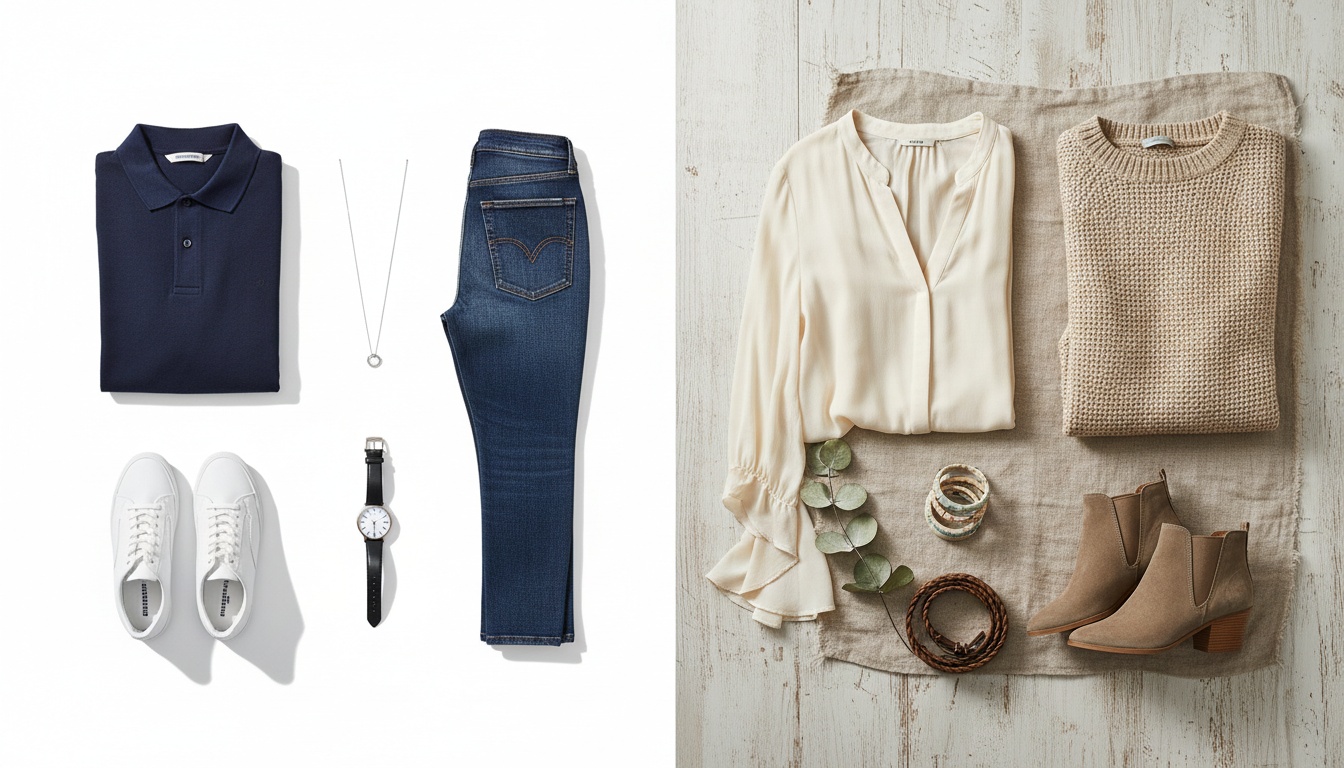
Etsy encourages creative freedom: 10 images per listing mixing white backgrounds, lifestyle scenes, detail shots, and behind-the-scenes content. Videos showing handmade processes build trust and increase favorites by 40%. Ghost mannequin shots work for professionalism; model shots drive emotional connection.
The visual optimization gap: Traditional photoshoots cost $2,000-5,000 per session, limiting SKU variations. Milano AI generates unlimited marketplace-optimized images in minutes—white backgrounds for Amazon compliance, lifestyle scenes for Etsy storytelling, ghost mannequin effects for catalogs—all from a single product photo. Cut visual content costs 95% while scaling to 100+ SKU variations.
SEO Strategy: Keywords That Convert
Amazon SEO prioritizes backend search terms (250 bytes maximum) and title optimization. Winning formula: Brand + Key Feature + Size/Color + Material. Example: "MilanoFashion Women's Organic Cotton Boho Maxi Dress - Sizes S-XL - Summer Beach Wedding." Focus on Buy Box factors: competitive pricing (5-10% under competitors), FBA fulfillment, 4.5+ star ratings, fast shipping.
Etsy SEO leverages 13 tags mixing broad terms ("boho dress") and long-tail phrases ("custom beach wedding dress size 8"). Titles support 140 characters—front-load primary keywords while maintaining readability. Example: "Handmade Boho Maxi Dress - Custom Sizes - Ethical Organic Cotton - Beach Wedding Guest Outfit." Update listings weekly based on trending searches.

2026 SEO evolution: AI-powered search (ChatGPT Shopping, Google SGE) favors conversational queries. Optimize for voice search with natural phrases: "best summer dress for beach vacation under $50" instead of "summer dress cheap."
Pricing and Fee Structures: Profitability Analysis
Amazon charges 15% referral fees plus FBA fulfillment ($3-8 per unit depending on size/weight). Total cost per sale: 20-25% of retail price. Competitive pricing is mandatory—dynamic repricing tools maintain Buy Box eligibility. Profit margins: 15-25% typical for mass-market fashion.
Etsy charges $0.20 listing fee + 6.5% transaction fee + 3% payment processing. Total cost per sale: 9.5% of retail price. Premium pricing works—handmade positioning supports 10-20% markups over mass-market equivalents. Profit margins: 30-45% achievable for artisan fashion.
Profitability winner: Etsy for margin, Amazon for volume. A $50 dress generates $7.50 profit on Amazon (15% margin) vs $15 profit on Etsy (30% margin). But Amazon's 10x traffic volume offsets lower margins for scalable brands.
Advertising: PPC vs Organic Growth
Amazon Sponsored Products deliver immediate visibility—bid on high-intent keywords, target ACOS under 25%. Start with $10/day budgets testing auto-targeting, then optimize manual campaigns. Video ads in search results boost click-through rates 35%.
Etsy Ads are platform-only, simpler to manage, ideal for new listings gaining initial traction. Organic growth through SEO and social media (Pinterest, Instagram) drives 60-70% of Etsy sales for established shops.
Multi-Channel Scaling: Beyond Two Platforms
Top fashion brands in 2026 operate omnichannel: owned Shopify/WooCommerce stores (40%+ margins), Amazon (volume), Etsy (loyalty), plus Walmart Marketplace and eBay. Centralize inventory management to avoid stockouts—Amazon penalizes out-of-stock listings with suppressed rankings.
Automation advantage: Milano AI's complete marketing suite generates SEO-optimized blog content, automates social media posts, creates video campaigns, and designs interactive catalogs—all from your product photos. Replace entire creative teams with AI-powered workflows that understand fashion aesthetics and optimize for conversions across every platform.
The Verdict: Which Platform for Your Fashion Brand?
Choose Amazon if: You sell mass-market fashion, have 50+ SKUs, can leverage FBA, and prioritize volume over margin. Invest in PPC advertising and competitive pricing.
Choose Etsy if: You create handmade/custom fashion, have unique designs, tell compelling brand stories, and target gift buyers. Focus on organic SEO and visual storytelling.
Choose both if: You're scaling past $500K annually and want maximum market coverage. Use Amazon for bestsellers, Etsy for limited editions, and your DTC site for highest margins.
Ready to dominate both marketplaces without expensive photoshoots? Milano AI generates unlimited marketplace-optimized visuals, automates your entire content strategy, and scales your fashion business 10x faster. Start your free trial today and transform how you compete online.
Frequently Asked Questions
The answer depends on your product type and business stage. Choose Amazon for mass-market fashion (activewear, accessories, branded basics) with 50+ SKUs where volume matters more than margin. Choose Etsy for handmade, custom, or unique fashion pieces where storytelling and premium pricing work. Fashion brands generating $500K+ annually should leverage both platforms—Amazon for volume (15-25% margins) and Etsy for higher margins (30-45%). Indie labels under $100K/year should start with Etsy's lower barrier to entry ($0.20 listing fee vs Amazon's $39.99/month).
Scale Your Fashion E-Commerce with AI
Create professional campaigns and product photography in minutes. Start with 10 free credits—no credit card required.