
10 Proven Ways to Slash Video Photoshoot Costs for Fashion E-Commerce in 2026
Fashion brands spend $5,000-25,000 per video photoshoot. Learn 10 proven strategies to cut video production costs by 95% without sacrificing quality—from smart planning to AI automation. Perfect for DTC brands, indie labels, and e-commerce managers ready to scale content on a budget.
Fashion brands spend $5,000-25,000 per video photoshoot on average. But in 2026, that's no longer necessary. Whether you're running an indie label, managing a DTC Shopify store, or leading marketing at a mid-size retailer, video content drives conversions—but traditional production drains budgets fast. The solution? Cut video photoshoot costs by up to 95% without sacrificing professional quality. Here are 10 actionable strategies tailored for fashion e-commerce brands ready to scale content while slashing expenses.
1. Master Pre-Production Planning: Your Biggest Cost-Saver
Poor planning kills budgets. Create detailed shot lists tied to your script, storyboard every scene, and scout locations weeks ahead. For fashion videos, group shots by outfit or model to minimize changes—this alone can slash costs by 30%. Build a content calendar mapping quarterly video needs, then plan multi-purpose shoots where one session yields clips for TikTok, Instagram Reels, and product pages. A simple Google Sheets template saves thousands in wasted time and prevents costly reshoots.
2. Ditch the Studio: Shoot On-Location or In-House
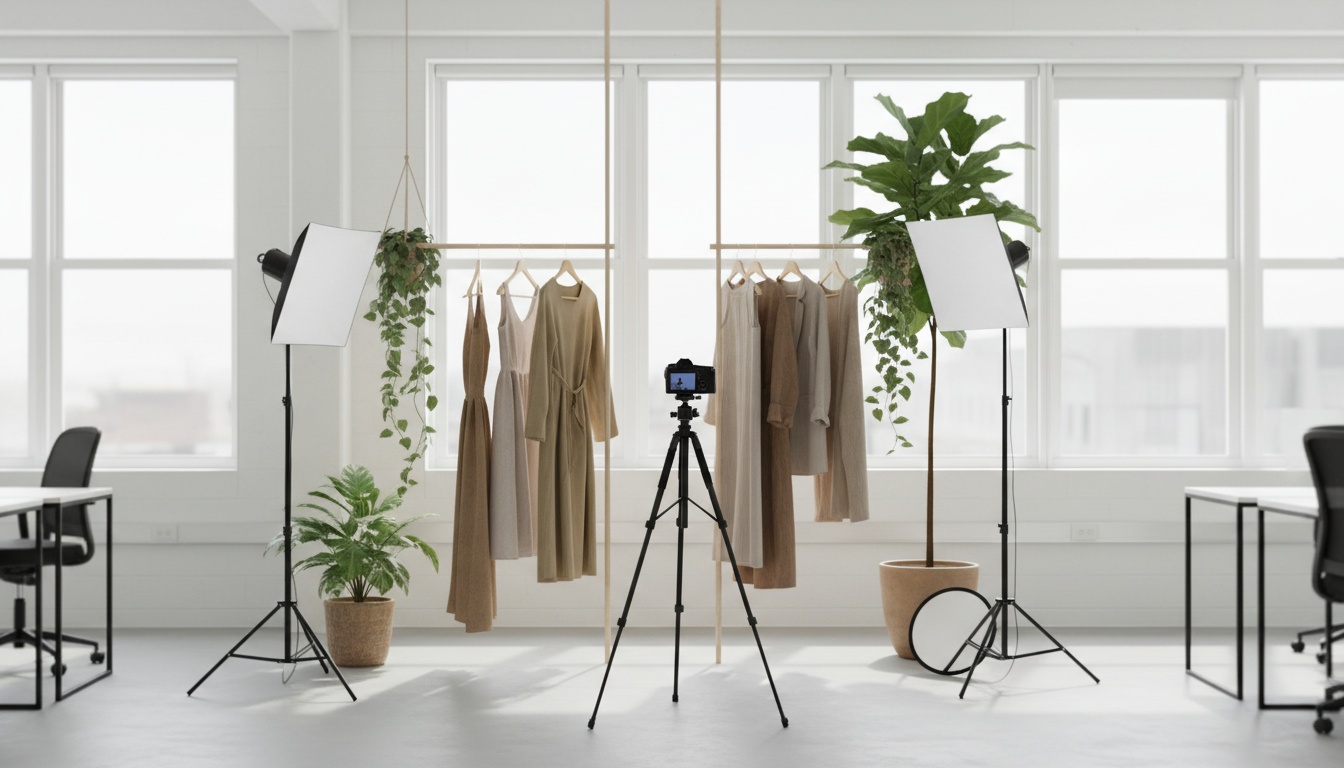
Studio rentals easily double your bill at $500-2,000/day. Transform your warehouse, office, or conference room into a set instead. Add branded backdrops, use natural light for authentic lifestyle vibes, or invest in a $100 green screen for virtual backgrounds. Your existing space has everything needed for ghost mannequin effects or SKU close-ups—zero rental fees required. For indie labels, this single change eliminates one of the largest line items.
3. Tap Amateur Talent from Your Inner Circle
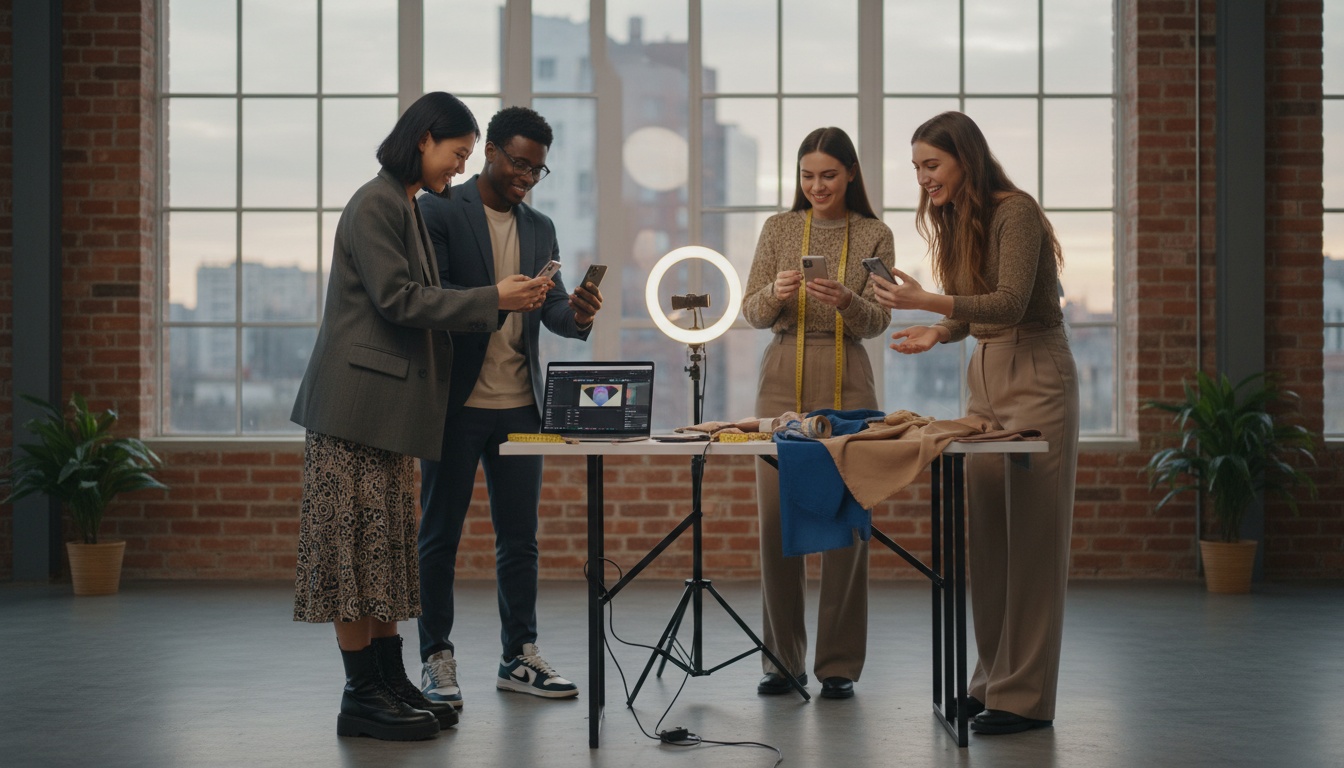
Professional models consume 40% of budgets. Scout your team instead—that social media manager with on-camera charisma or intern who embodies your brand. They're free, passionate, and understand your products inside out. For product demos, use real staff styling looks. It feels genuine, cuts talent fees by thousands, and builds internal buy-in. Quick training on lighting and delivery transforms team members into authentic brand spokespeople.
4. Write Your Own Scripts and Get Early Sign-Off
Skip expensive scriptwriters—you know your brand story best. Draft scripts focusing on hooks (under 15 seconds for social), key features, and clear CTAs. Share for feedback early to avoid reshoots. Keep videos 30-60 seconds to hook mobile scrollers and halve editing time. Add a 10% buffer for surprises, but realistic self-scripting saves $1,000-3,000 per project.
5. Leverage Stock Footage and Repurpose Assets
Don't shoot everything from scratch. Royalty-free libraries offer lifestyle clips—beaches for swimwear, urban streets for streetwear—that integrate seamlessly. Repurpose old photoshoots or agency footage for B-roll. Free sources like Pexels or Unsplash add polish without cost. Fashion hack: Bulk-upload existing product stills and animate them into video variants, eliminating the need to shoot new angles entirely.
6. Minimize Fancy Graphics and Effects
Animated intros and 3D motion graphics look gorgeous but drain budgets. Stick to simple text overlays, cuts, and transitions your in-house editor can handle. For fashion content, focus on clean product spins, zooms, and lifestyle transitions—professional results without graphic artist markups that add $2,000-5,000 per video.
7. Use Shot Lists and Multi-Role Talent
A detailed shot list is your efficiency bible, organizing shoots in logical order to prevent overtime. Hire multi-taskers—editors who shoot, directors who script—to double up roles and keep crews lean. Shoot multiple videos in one day, capturing 10 SKUs' worth of content for repurposing across platforms. This approach maximizes every production hour.
8. Embrace DIY Gear and In-House Editing
Modern smartphones rival professional cameras—add a $50 stabilizer for smooth footage. Invest in starter lighting and mic kits ($200-500) if producing weekly. Edit with free tools like DaVinci Resolve or affordable options like Filmora. Proxy workflows enable editing on basic laptops. Sit in on edits to slash revision rounds, and use cloud collaboration tools to keep freelancers synced without expensive hardware investments.
9. Negotiate Smart and Coordinate Logistics
Get multiple bids and provide style samples upfront to speed creative development. Handle lunches and transport yourself to stop the clock on downtime. Build relationships with vendors for better rates on repeat projects. For agencies, simplify concepts: fewer locations, natural light, and core messaging only. Strategic negotiation saves 20-30% immediately.
10. Plan for Reshoots and Measure ROI
Budget 10-20% for pickup shots—far cheaper than full reshoot disasters. Track views, clicks, and sales attribution to justify spending and refine strategy. Implementing these nine strategies delivers 50-70% savings immediately, scaling to 95% with consistent practice and optimization.
The Ultimate Solution: Milano AI Eliminates Photoshoots Entirely
Ready to skip photoshoots altogether? Milano AI is the complete AI-powered platform built exclusively for fashion e-commerce, transforming product photos into stunning campaign videos, lifestyle scenes, and AI avatar demos in minutes.
Beyond content creation, Milano AI is your complete marketing automation suite:
- Launch full video campaigns using pre-built templates
- Create AI avatar videos for product demonstrations
- Generate daily SEO-optimized blog content
- Automate social media posts across all platforms
- Design interactive catalogs and lookbooks
- Deploy live shopping experiences
Bulk upload SKUs for unlimited variations—white backgrounds, ghost mannequins, marketplace-ready clips. Our AI photo editor handles any request in plain English: "Add urban backdrop" or "Create spinning product reel." No models, studios, or crews needed.
Milano AI isn't just another AI tool—it's the complete operating system for fashion e-commerce. Cut costs by 95%, scale production 10x, and turn weeks of traditional workflows into minutes. Built for indie labels to enterprise retailers, it learns your brand aesthetic and delivers conversion-optimized content across all platforms.
Frequently Asked Questions
Fashion brands can save 50-70% immediately by implementing smart planning, in-house shooting, and DIY approaches. With AI tools like Milano AI, savings reach 95% by eliminating photoshoots entirely. A traditional video shoot costs $5,000-25,000, while Milano AI's plans start at $49/month for unlimited video content creation.
Scale Your Fashion E-Commerce with AI
Create professional campaigns and product photography in minutes. Start with 10 free credits—no credit card required.
Related Articles
Professional Product Videos with AI: The Ultimate Q&A Guide for Fashion Brands
Learn how fashion e-commerce brands can create professional product videos with AI, replacing expensive photoshoots with automated video generation. This Q&A guide covers AI avatars, conversion optimization, and scaling video content across your entire catalog—cutting costs by 95% while accelerating production from weeks to minutes.

AI Lifestyle Videos: Compare Top Tools for Fashion Brands in 2026 | Milano AI Guide
Compare top AI lifestyle video tools for fashion e-commerce in 2026. Detailed analysis of Synthesia vs HeyGen vs Runway ML vs Pika Labs vs Milano AI. Learn which platforms deliver ROI for DTC brands, with actionable implementation strategies and cost comparisons. Cut video production costs by 95% while scaling output 10x.

Marketplace Video Optimization: How Fashion Brands Scale Conversions 30%+ in 2026
Fashion brands see 30%+ conversion lifts with optimized marketplace videos, but manual production fails at scale. Learn the cause-and-effect strategies driving success on Amazon, Etsy, and Shopify in 2026—from AI compression eliminating load penalties to shoppable overlays converting views into sales. Complete guide with actionable tactics for DTC brands and retailers.